Should you rebrand? Here's how to know.
Most founders ask this question when something already feels off. The website looks like it belongs to someone else. You hesitate before sending the link. You paste your logo into a pitch deck and feel a small, quiet embarrassment you haven't told anyone about.
That feeling is worth listening to.
After 6 years of working with consumer product brands on brand identity and packaging, I've seen both sides: founders who rebranded at exactly the right moment, and founders who came to me for a rebrand when what they actually needed was clarity. The difference matters, because a rebrand done for the wrong reasons is expensive and confusing. A rebrand done at the right moment is the thing that finally makes the business feel real.
So here's how to tell which situation you're in.
Your brand was built for who you were, not who you are
The most common reason a brand stops working is simple: you built it at the beginning, when you had no budget, no proof, and no real certainty the business would survive.
That's normal. Most founders invest the minimum at launch because they don't know yet if it's going to work. So they get a cheap logo, pick some colours in Canva, and put something out there.
Then the business grows. The product is real. The clients are real. And the brand is still waving from a chapter that closed 3 years ago.
A rebrand, at its core, is bringing your visual identity in line with where the business actually is. Your current goals. Your current audience. Your current price point. When those things have shifted and the brand hasn't, there's a gap. Customers feel that gap before they can name it.
The sign most founders miss
There's a subtle one that comes before the obvious ones.
You stop sending people to your website voluntarily. You start adding disclaimers: "It's a bit outdated, but..." You hesitate before sharing your Instagram. You promote your work less, because somewhere underneath the logic, you know the packaging doesn't match the product anymore.
That hesitation is costing you. Every time you hold back from sharing your work, from pitching a client, from posting the project, the brand is doing quiet damage.
The founders I work with who describe this feeling almost always already know they need a rebrand. They just needed someone to confirm that the feeling is a signal, not just nerves.
When a rebrand isn't the answer
A client came to me certain they needed a full rebrand. We did a brand audit together first, looking honestly at what was working and what wasn't.
Most of it was working.
The logo held up. The colours were still right. What they actually needed was consistency, applying what they already had properly across all their touchpoints instead of starting from scratch. That saved them a significant amount of money and months of work.
This is the most dangerous reason to rebrand: boredom. If you're tired of looking at your own brand, that's understandable. But your customers aren't tired of it. They've barely noticed it. Rebranding because you want something new is a founder's problem, not a business problem.
The question to ask: has something actually changed? Your audience, your pricing, your product range, your market? If yes, the rebrand is probably earned. If the business is exactly the same and you just want a new look, do the audit first.
Refresh vs. full rebrand: the real difference
A refresh keeps the identity and updates the surface. You modernise the logo, tighten the colour palette, update the website. The positioning and the story stay the same.
A full rebrand means something foundational has shifted. You've moved upmarket. You're targeting a completely different customer. You're going to retail and the packaging needs to work on a shelf, not just a screen.
The conversation I have with every new client starts here: what changed? If the answer is the audience, the price point, the product category, or the competitive environment, that's a rebrand. If the answer is "it feels old," that's probably a refresh.
The scope changes the investment significantly, so getting this right at the start matters.
Blue Pottery: when 10 years of love becomes the problem
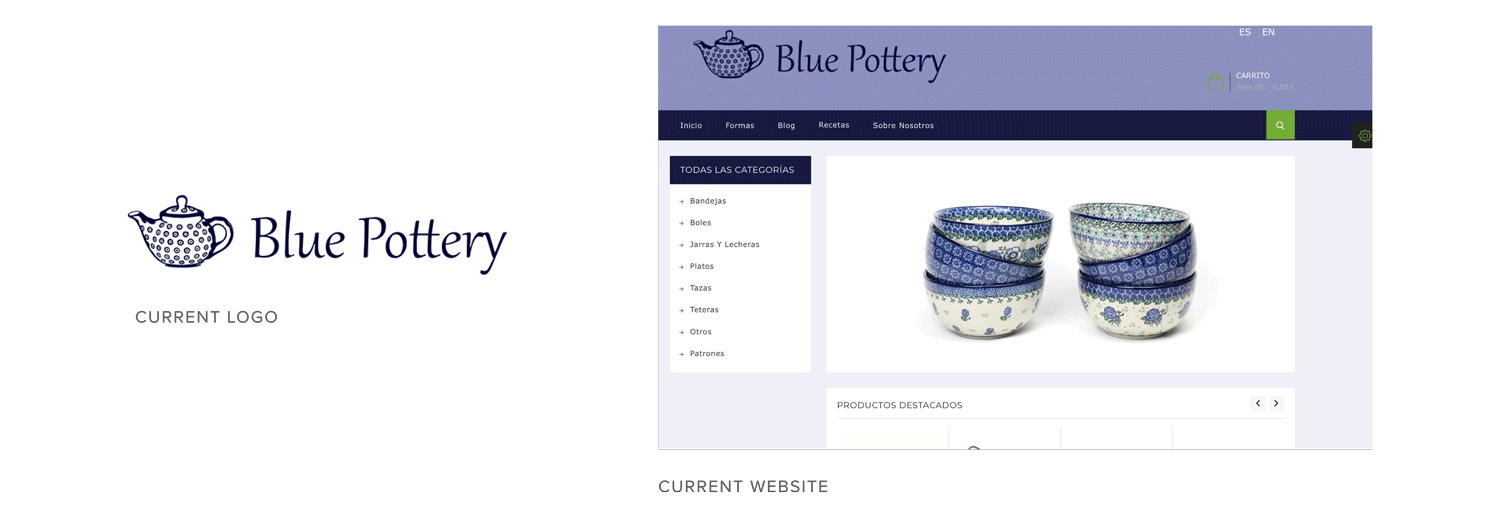
Blue Pottery is an artisan ceramics shop in Barcelona, founded by a Polish couple who built the whole business around their heritage. Every piece in the store carried that story. But the brand hadn't changed in over 10 years, and the sales reflected it.
The products were genuinely beautiful. The problem was that the packaging and identity weren't giving them the audience they deserved. Interior designers focused on heritage and considered living would have been ideal customers. But the brand wasn't speaking to them.
The founders were emotionally attached to the original logo in the way you'd expect after a decade of building something. It had history. It had meaning. Letting go felt like erasing part of the story.
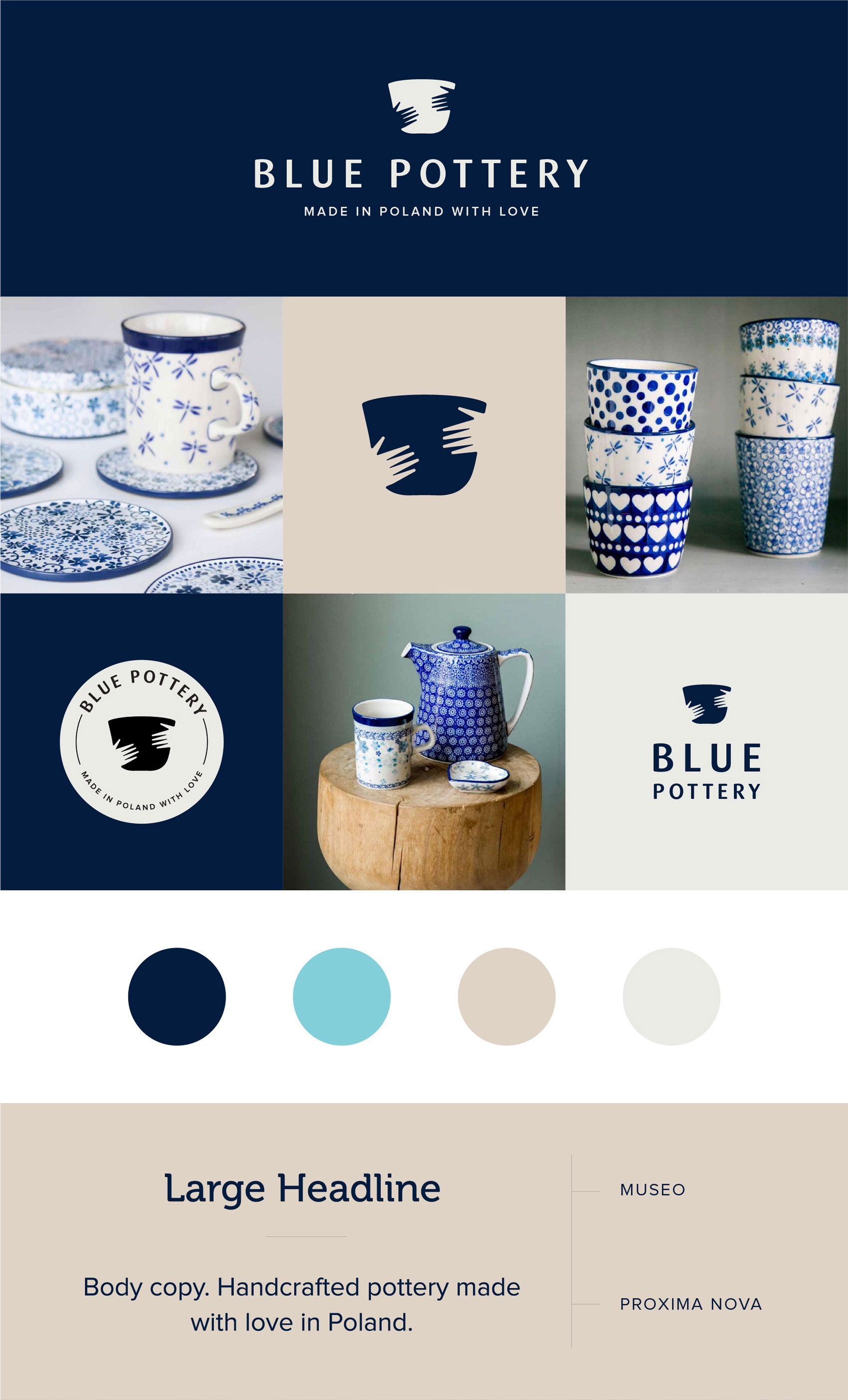
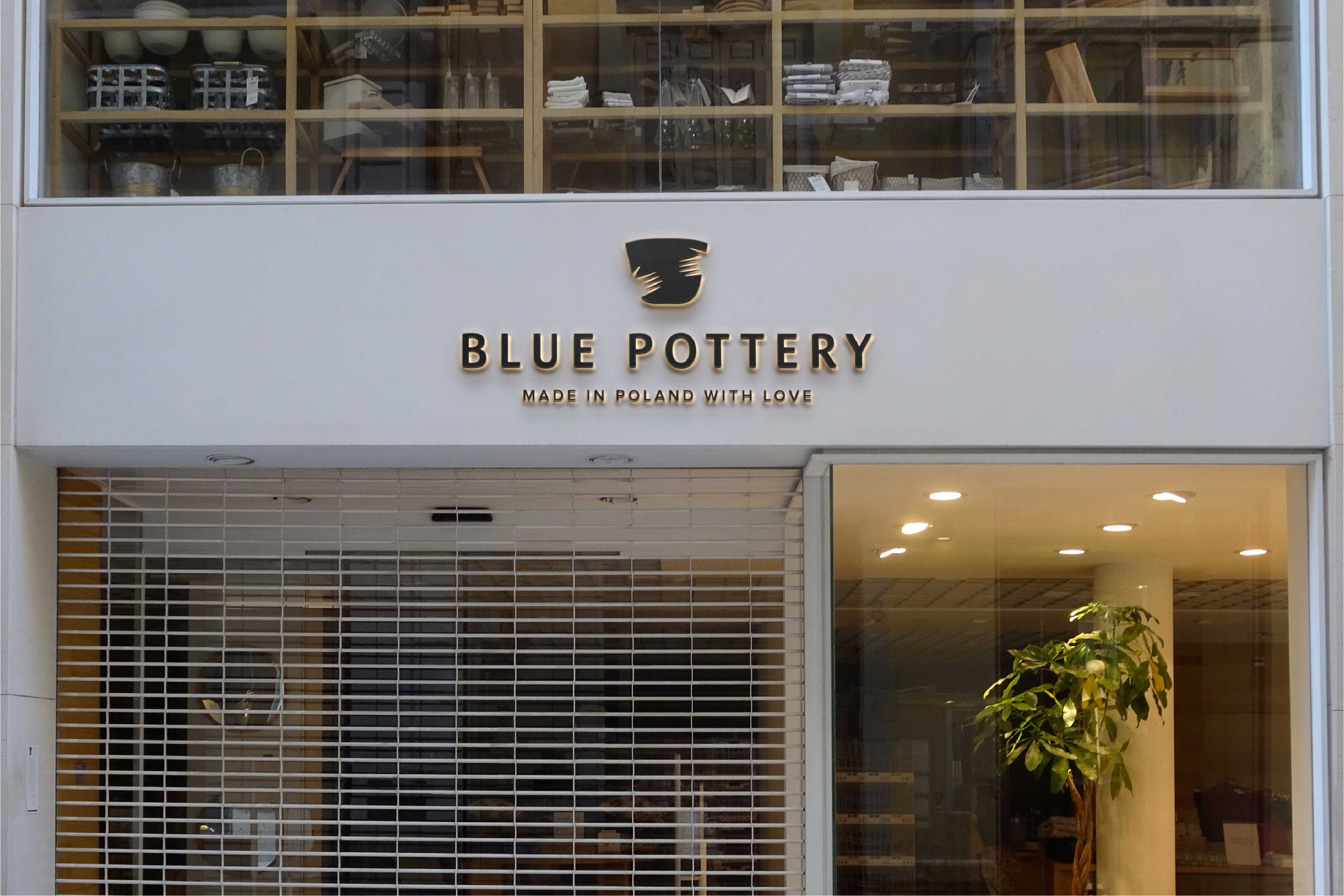
What happened when they finally did: the identity held the heritage more precisely than the old one ever had. By going deeper into Polish craft traditions and translating that into a considered, modern visual system, the brand carried the story forward rather than repeating it. The new identity gave the products the context they needed to be seen properly.
That's what a rebrand does when it's done right. It doesn't erase where you came from. It communicates it more clearly.


The external triggers that usually force the decision
Some founders wait for a feeling. Others get pushed by a circumstance.
The ones I see most often: a retail conversation starts and the packaging isn't shelf-ready. A new investor or buyer looks at the brand and the response is quiet. The product has moved upmarket but the identity is still priced visually at a lower tier. A new competitor enters the space and suddenly the original brand looks generic.
These are the moments that make the decision obvious. The brand is either ready for the opportunity or it isn't. And if it isn't, the opportunity tends to move on.
What "ready to rebrand" actually means
Some founders think about a rebrand the way they think about a renovation: expensive, disruptive, probably not worth it right now.
The ones who've been through it describe something different.
They describe the moment they sent the link without hesitating. The pitch that landed because the packaging looked the part. The confidence that comes from a brand that actually reflects the quality of what's inside it.
A rebrand doesn't change your business. It closes the gap between what your business actually is and what a stranger sees in the first 5 seconds.
If that gap is wide, the brand is doing work against you every day.
Before you decide
Here's a simple way to think about it.
Pull up your website, your packaging, or your social profile. Look at it the way a buyer or a new client would, someone who doesn't know you yet. Ask: does this communicate what the business actually is today, who it's for, and what it's worth?
If yes, you probably don't need a rebrand right now. Maybe a few updates, but the foundation is holding.
If there's hesitation, or a quiet sense that the brand is a few chapters behind, that's worth taking seriously.
The business you've built deserves a brand that's telling the right story about it.
If you're a founder with a consumer product and a brand that's fallen a few chapters behind, a brand audit is a good place to start. It takes less than an hour and tells you exactly what needs to change and what doesn't. Book a free discovery call here.